CRANE CRN-169621 Hydraulic Roller Camshafts 169621/ Mhp301
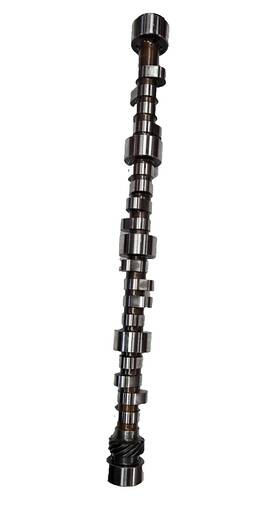
( Brand: Crane ), ( Manufacturer Part Number: CRN-169621 ), ( Type: Camshaft )
Review CRANE Hydraulic Roller Camshafts 169621/ Mhp301 Reconditioned
The MHP-301 hydraulic roller camshaft, part number CRN-169621, is a high-performance component designed for heavy-duty applications. This camshaft is engineered to provide superior durability, precision, and efficiency in various industrial machinery, especially in cranes and hoists.
The hydraulic roller camshaft is manufactured using advanced techniques and premium materials, ensuring superior strength and resistance to wear and tear. The roller design of the camshaft offers reduced friction, thereby enhancing the overall efficiency of the system and reducing power loss. The hydraulic actuation provides precise control over the camshaft's movement, resulting in smooth and accurate operation.
The CRN-169621 hydraulic roller camshaft is designed to fit specific applications and is engineered to meet or exceed OEM specifications. Its precise dimensions and tolerances ensure that it functions optimally within the machinery it is installed in. The camshaft is also designed to withstand the extreme operating conditions commonly found in cranes and hoists, such as high temperatures, heavy loads, and harsh environments.
The MHP-301 hydraulic roller camshaft is easy to install and maintain. It comes with clear installation instructions and is designed to be compatible with standard industrial hydraulic systems. Regular maintenance, such as replacing hydraulic fluid and checking for leaks, is essential to ensure the longevity of the camshaft and the overall performance of the machinery.
In summary, the CRN-169621 hydraulic roller camshaft is a high-quality, reliable, and efficient component designed for heavy-duty applications in cranes and hoists. Its advanced design, superior materials, and precise manufacturing ensure optimal performance, durability, and longevity. With easy installation and maintenance, this hydraulic roller camshaft is an excellent investment for any industrial machinery fleet.
Pros and Cons of Buying Hydraulic Roller Camshafts (CRN-169621/MHP-301) for Your Engine
Introduction:Hydraulic roller camshafts, such as the CRN-169621/MHP-301, are essential components of many modern engines. These camshafts offer improved performance, durability, and efficiency compared to traditional flat tappet camshafts. However, like any other automotive component, they come with their advantages and disadvantages. In this analysis, we will discuss the pros and cons of investing in a hydraulic roller camshaft (CRN-169621/MHP-301) for your engine.
Pros:1. Durability: Hydraulic roller camshafts are more durable than flat tappet camshafts due to their self-lubricating design. They have roller bearings that provide a consistent and even oil film, reducing wear and tear on the camshaft and valvetrain components.
2. Smoother engine operation: Hydraulic roller camshafts provide smoother engine operation because they reduce friction and vibration in the camshaft and valvetrain. This results in improved engine performance, reduced engine noise, and better fuel efficiency.
3. Increased power output: Hydraulic roller camshafts can provide a power output increase of up to 10% compared to flat tappet camshafts. This is due to the improved efficiency of the valvetrain and the reduction in friction losses.
4. Longer valve train life: The roller bearings in hydraulic roller camshafts reduce the load on the valves and valve springs, leading to longer valve train life. This can save you money in the long run by reducing the need for frequent valve train repairs or replacements.
5. Reduced maintenance: Hydraulic roller camshafts require less maintenance than flat tappet camshafts because they do not require regular adjustments or shimming. This can save you time and money in the long run.
Cons:1. Higher upfront cost: Hydraulic roller camshafts, such as the CRN-169621/MHP-301, typically have a higher upfront cost than flat tappet camshafts. This can be a significant investment for some engine builders or enthusiasts.
2. Limited compatibility: Hydraulic roller camshafts may not be compatible with all engine designs. Some engines may require specialized valve train components or modifications to accommodate a hydraulic roller camshaft.
3. Complex installation process: Installing a hydraulic roller camshaft can be a more complex process than installing a flat tappet camshaft. It may require specialized tools and a higher level of expertise.
4. Potential for hydraulic leakage: Hydraulic roller camshafts rely on hydraulic lifters to maintain valve clearance. If the hydraulic lifters leak, it can cause engine damage or performance issues.
5. Potential for valve float: Hydraulic roller camshafts can cause valve float during high RPM operation. This can lead to reduced power output and poor engine performance.
Conclusion:In conclusion, investing in a hydraulic roller camshaft, such as the CRN-169621/MHP-301, offers numerous advantages, including improved durability, smoother engine operation, increased power output, longer valve train life, and reduced maintenance. However, it also comes with some disadvantages, such as a higher upfront cost, limited compatibility, complex installation process, potential for hydraulic leakage, and potential for valve float.
Recommendation:If you are building a high-performance engine or seeking improved engine durability and efficiency, a hydraulic roller camshaft, such as the CRN-169621/MHP-301, is an excellent investment. However, it is essential to consider the potential disadvantages and ensure that your engine design is compatible with a hydraulic roller camshaft. It is also crucial to use a reputable supplier and have the camshaft installed by a qualified mechanic to minimize the risk of hydraulic leakage or valve float issues.
Details:
Exhaust Valve Lift with Factory Rocker Arm Ratio: 0.610 in. Intake Valve Lift with Factory Rocker Arm Ratio: 0.598 in. Part Number: CRN-169621 Cam Style: Hydraulic roller tappet Basic Operating RPM Range: 3,000-6,500 Intake Duration at 050 inch Lift: 230 Exhaust 236 int./236 ex. Advertised Intake Duration: 292 Exhaust 298 int./298 ex.
part #: crn169621 prices
- $99.00-$175.00
specifications cashalif:
- brand: Crane
- mpn: Crn-169621
- type: Camshaft
seller cashalif:
- city: Lake Villa, Illinois
- rating: 100.0%
- # reviews: 740
payments cashalif:
- other
- wallet: Google-pay
- credit card: Visa
offer cashalif:
- best offers: True
- quantity: 1
- sold: 0
- started: February 19, 2025
- options: Ship-to-home
- availability: In Stock
general cashalif:
- Engines Engine Parts > Valvetrain Components > Camshafts
- condition: Remanufactured
returns cashalif:
- policy: No Returns
shipping cashalif:
- carrier: USPS
- service: USPS Ground Advantage
- class: Standard
- cost: $0.00
- type: Calculated
- transit: 5-10 Days
Crane CRN-169621 Is Similar To:
- 10005 Crane Cams Energizer Hydraulic Flat Tappet Camshaft Only 021174018202 (47% similar) An earlier model camshaft may be used in these blocks by using the appropriate timing chain set and adding a thrust button when roller cam. Compression ratio advised. 454'' intake. 454'' exhaust lobe separation ANGLE:110 max lift ANGLE:105 ADC intake bardic exhaust open close. D225-21 Crane ...(December 5th, 2018)
- 104227 Crane Cams Hydraulic Roller (44.4% similar) Quantity sold individually. For computer-controlled vehicles. Fitment information may not be available for all products. For mass air fuel injection only. Valve lift with factory rocker arm ratio ex. Aluminum-bronze distributor drive gear not required. Not for use with stock springs. Buyer pays ...(September 2nd, 2017)
- 111233-06 Howards Sb Chevy Roller Cam Crower Comp Cams Sbc Crane (31.9% similar) 645, duration. 050, center line: 102, all out competition big cylinder head compression. There are numbers on it here is a used Howard's solid roller cam for the Sb Chevy engine. It is standard bearing size. Camshaft type: mechanical roller duration exhaust: 317DURATION intake: 309DURATION at 050 ...(May 21st, 2018)
- 11515-8 Crane Cams Mechanical Roller Lifters Small Block Chevy Tie Bar (34.7% similar) If you do not see a shipping price, please. Lifter style: mechanical roller link bars included: yes bar: horizontal outside diameter in. Both Cranes standard design and ultra-lightweight pro series are available for fitment on a wide range of year make model vehicles. Addresses that are PO. Shipping...(October 23rd, 2018)
- 11544-16 Crane Cams Pro Mech Roller Lifter For Set Of (34.6% similar) The intakes are offset 180,4 lefts and 4 rights. These lifters were bought new around the late 90S thanks and good luck buying. 300 tall lifters. I don't think they will fit any block needing. Here is a new set of ABC Crane cams ultra PRO180 offset solid roller lifter. They are not the tall ones. ...(July 22nd, 2018)
- 118131 Crane Mech Roller Cam 021174010473 (40% similar) Camshaft - mechanical roller lift. Electrical or electronic components are also void if they have been connected opened. 600 in lift ABC P/N good mid range torque and hp, performance usage, bracket racing, heavy, pro, etc. 5 compression ratio advised. In-stock items can ship from multiple locations...(June 9th, 2017)
- 119561 Crane Cams Hydraulic Roller (44.4% similar) 5 maximum compression ratio advised. 900 base circle for long stroke clearance. Fitment information may not be available for all products and those without will have a compatibility link. Lobe separation degrees 112 quantity sold individually ex. 90 GI intake duration at 050 inch lift 210 valve with...(July 9th, 2017)
- 13515-16 Crane Cams Mechanical Roller (30.6% similar) Lifter style: mechanical roller lifter link bars included: ye slink bar: horizontal lifter outside diameter in. Lifter offset: none quantity: sold as a set of in. These lifters are precision CBC-machined for accuracy and the strongest, most durable available competition or serious street ...(September 5th, 2017)
- 138391 Crane Cams Mechanical Roller Camshaft Chevy Bbc Lift (48.1% similar) Exhaust duration at 050 inch lift 296 valve lash ex. Quantity sold individually. Valve springs required yes this product ships directly from the manufacturer. Also fits rode ck 481 aluminum engines. Exhaust valve lift with factory rocker arm ratio int. Intake valve lift with factory rocker arm ratio...(January 18th, 2019)
- 139351 Crane Cams Hydraulic Roller 021174050639 (46.3% similar) ...(July 12th, 2017)
- 1449121 Crane Cams Hydraulic Roller Camshaft Chevy Ls Lift (56.1% similar) Valve lift with factory rocker arm ratio. Fitment information may not be available for all products and those without will have a compatibility link. Lobe separation degrees 115 notes 11. Exhaust duration at 050 inch lift 232 valve with factory rocker arm ratio. Grind number hr 2S1-15 4a intake ...(September 4th, 2018)